Engineering review

The value chain aquaculture deserves.

Most aquaculture companies do one thing. BluGen integrates genetics, hatchery, grow-out, and market under one operation.

Our Approach

Vertical integration is how we de-risk production and unlock consistency and scale.

Korea's flounder industry is made up of hundreds of small, independent farms with outdated genetic programs, limited hatchery control, and little connection to market data. BluGen controls every step — from selective breeding to the point of sale.

When you control genetics, you breed for disease resistance and growth speed. When you control the hatchery, you guarantee supply. When you control grow-out, you control consistency and scale. And when you understand the market, you produce what it actually wants.
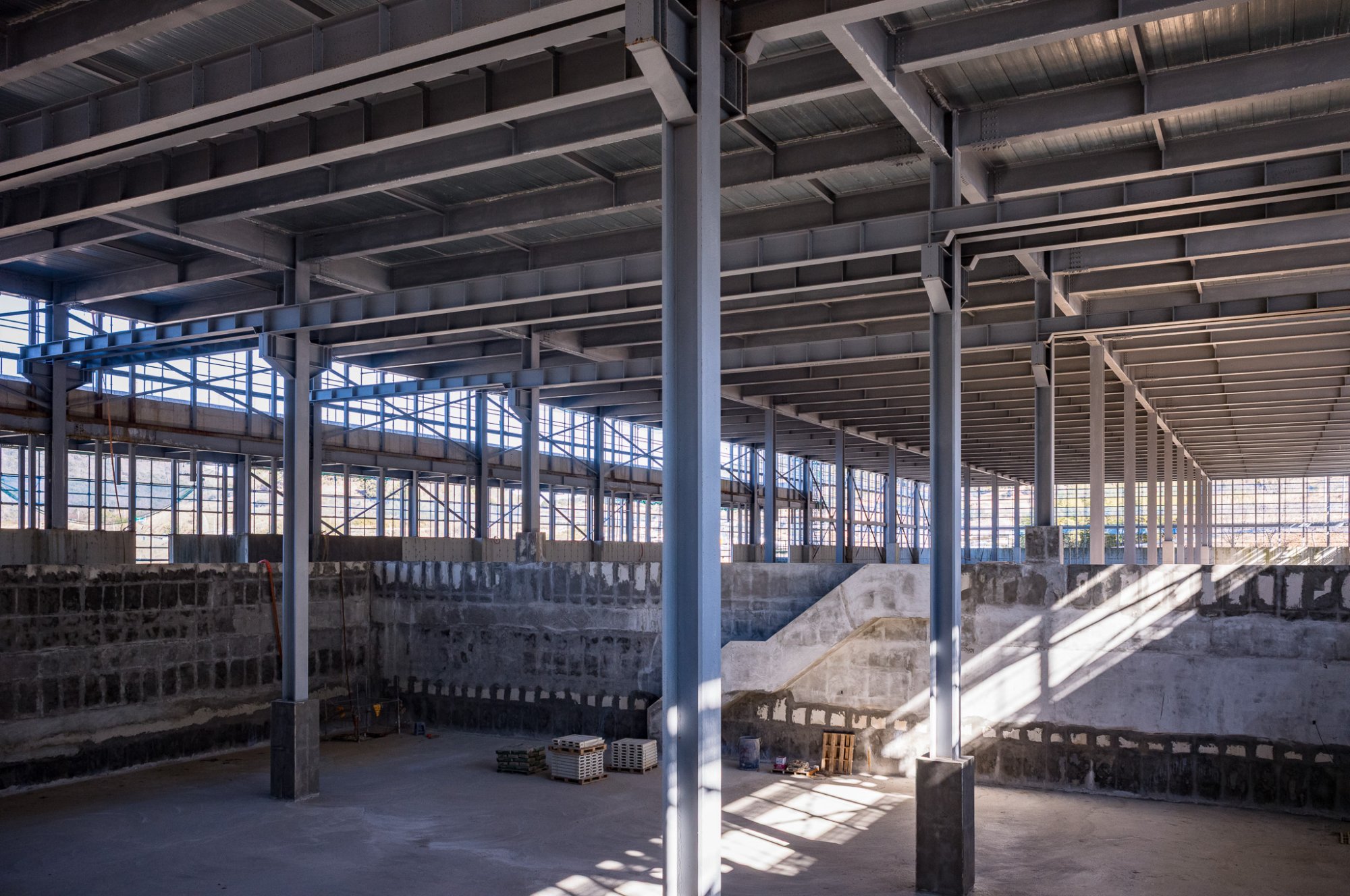
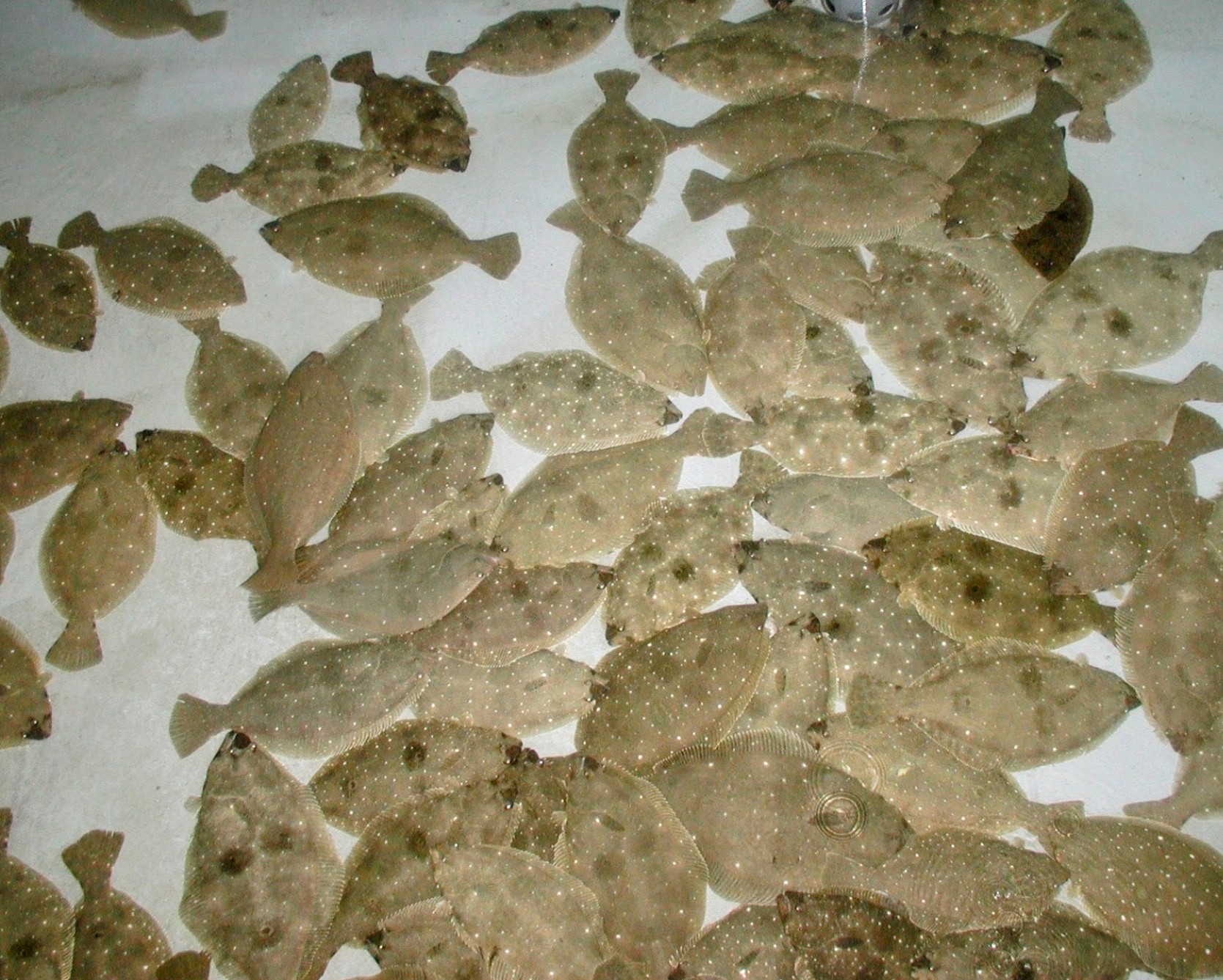
Raceway basins interior
The Value Chain

Four stages. One roof.

01

Genetics

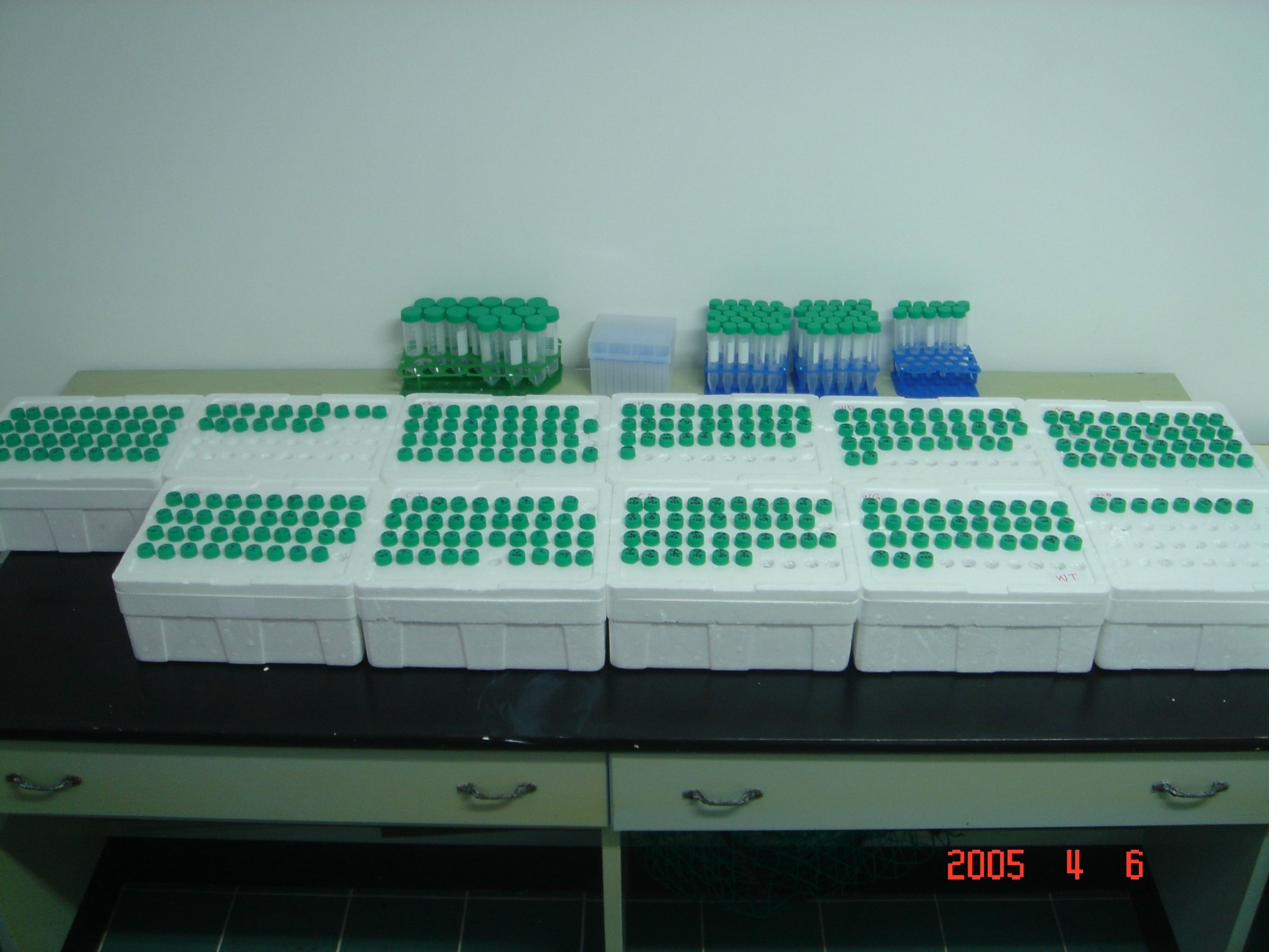
9th-generation elite broodstock developed through selective breeding and SNP-based genomic analysis. Non-GMO precision breeding for faster growth, disease resistance, and consistency across every cohort.

02

Hatchery

Year-round spawning capability. 2M+ juveniles annually — for BluGen's own grow-out and for supply to local farmers. All from proprietary broodstock, ensuring genetic quality at every stage.

03

Grow-out

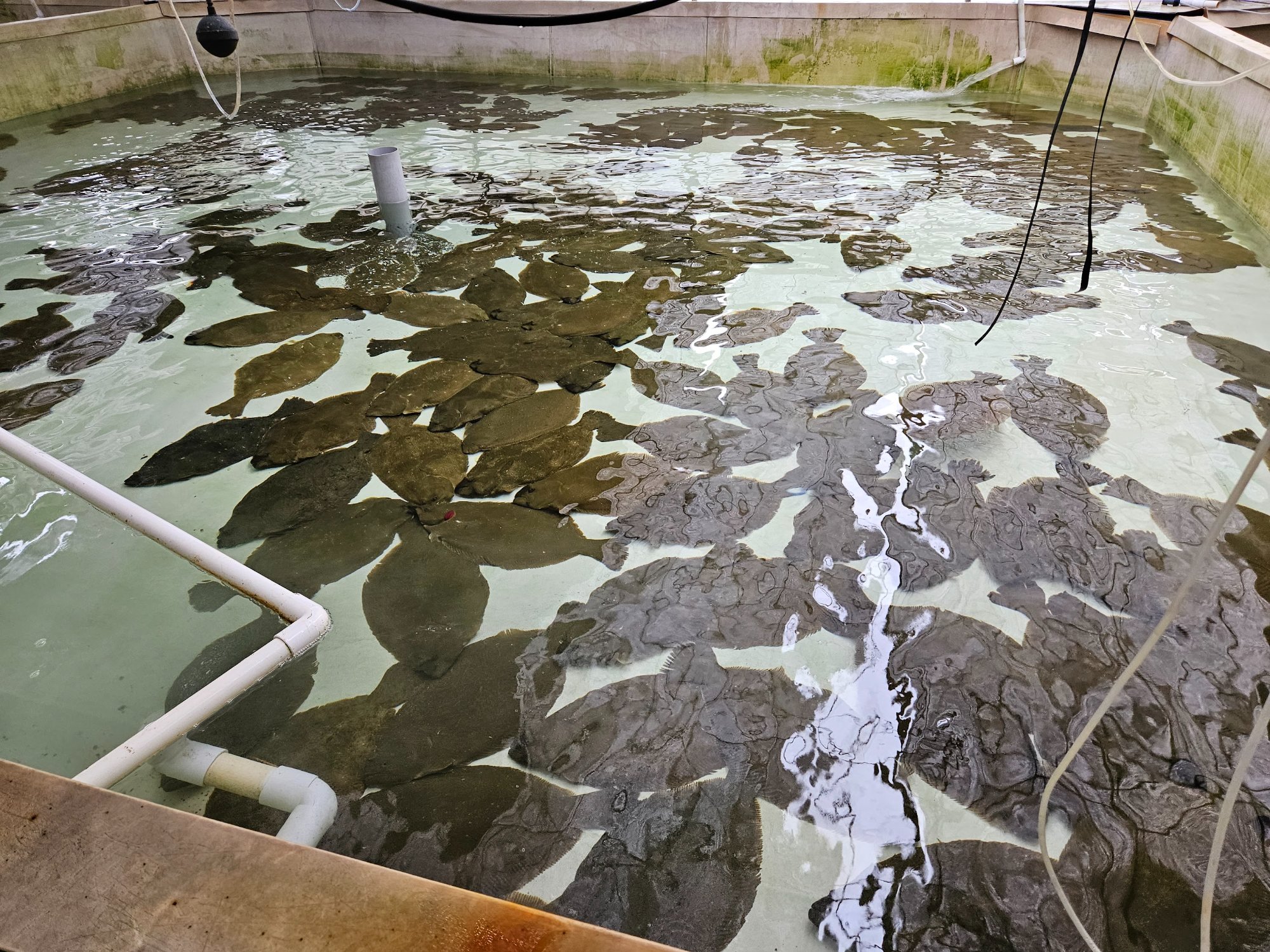
Land-based RAS with stacked raceways. 70 kg/m² density, 1.1 FCR, zero antibiotics. BluGen is the only company to have developed a proven EP feed formula for olive flounder. 2–3 kg harvest weight vs. industry standard of 1 kg.

04

Market

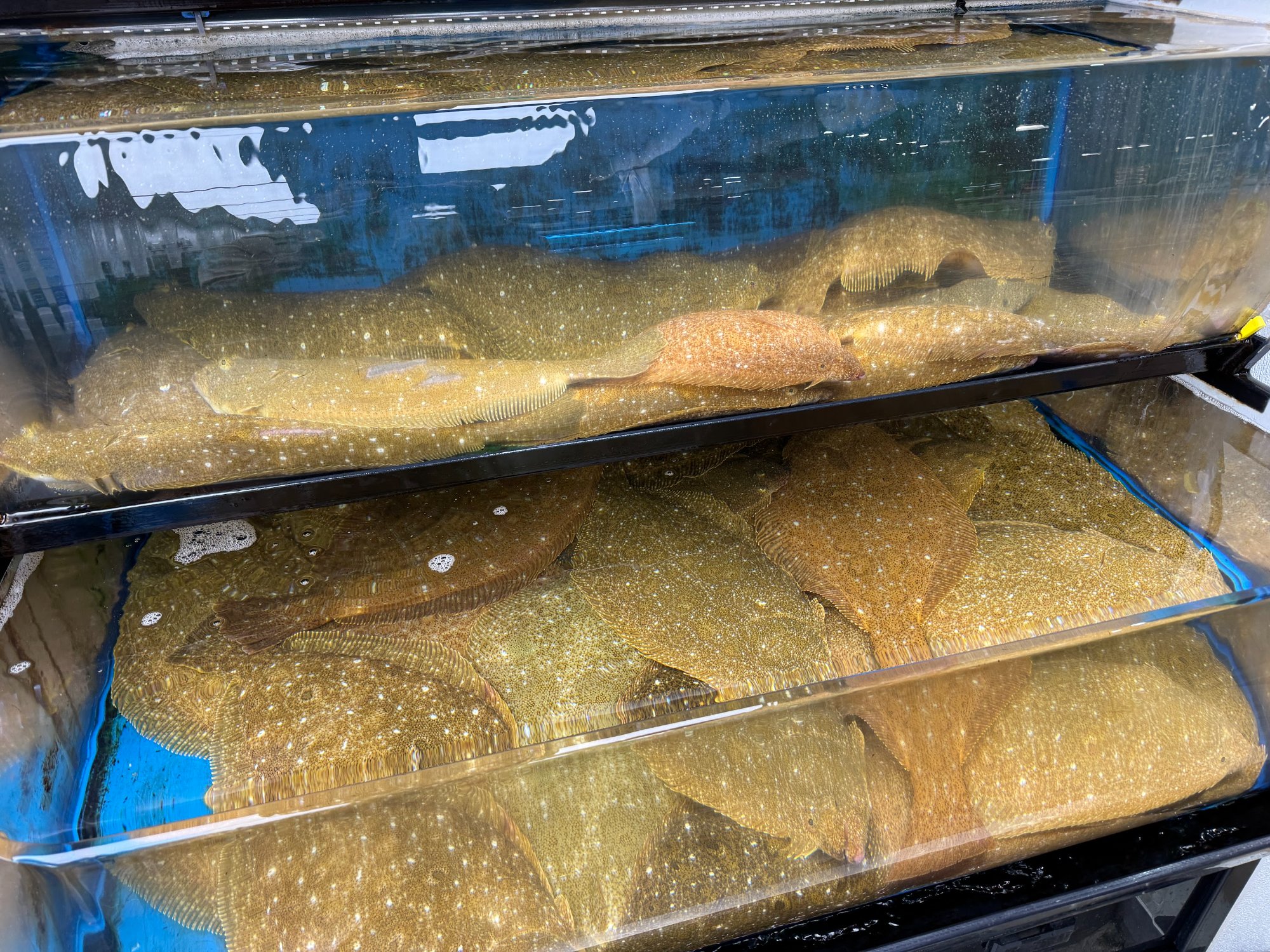
Live-fish value chain preserving premium pricing ($20–24/kg farmgate). Direct access to Korea's established flounder market — the largest consumer base for this species globally. ASC-certifiable for export.

The Difference

Traditional farming vs. the BluGen model.

Traditional Farms

Water systemFlow-through
FeedMoist pellet / raw fish
ChemicalsAntibiotics, hormones
Harvest weight~1 kg
Mortality40–60%
GeneticsShared / limited
JuvenilesPurchased externally
ProductionSeasonal, weather-dependent
RevenueSingle stream — harvest only
CertificationNone
Water useHigh discharge
Scale~70 MT/yr avg

BluGen

Water systemRAS (90%+ recycled)
FeedProprietary EP formula
ChemicalsZero
Harvest weight2–3 kg
MortalityControlled environment
Genetics9th-gen proprietary
JuvenilesProprietary broodstock program
ProductionYear-round, climate-controlled
RevenueDual — juveniles + harvest
CertificationDesigned for ASC
Water use90%+ recycled, minimal discharge
Scale2,000 MT/yr (Site 1)
The Economics

Built for commercial viability.

BluGen's model isn't just better for the fish and the environment — it's built to be economically superior. Premium species pricing, dual revenue streams, minimal processing costs, and a platform designed to replicate.

$20–24/kg
Premium farmgate
Sashimi-grade, sold live. One of the highest-value farmed species globally.
2 streams
Dual revenue
Juvenile sales create revolving revenue months before first harvest.
Zero
Processing costs
Live-fish value chain. No filleting, no cold chain, no processing plant.
Scalable
Platform model
Site 1 is a proof point. Designed to replicate across sites and geographies.
Sustainability

Designed to meet the world's highest certification standards.

BluGen is designing its entire production process to be certifiable under the Aquaculture Stewardship Council (ASC) — the world's most recognized certification for responsible aquaculture, founded by the World Wildlife Fund (WWF). ASC certification requires meeting over 500 compliance criteria across environmental stewardship, social responsibility, animal welfare, and operational transparency.

At BluGen's planned scale of 2,000 MT/year, ASC certification would open access to premium global buyers — major retailers, hotel chains, and restaurant groups increasingly require ASC-certified seafood in their supply chains.

What ASC Certification Means

The ASC label tells buyers and consumers that seafood was farmed with minimal environmental impact, responsible use of feed and water, zero antibiotics and chemicals, fair labor practices, and full supply-chain traceability. It is the gold standard in aquaculture sustainability.

90%+ water recycled
RAS eliminates ocean discharge
Zero chemicals
No antibiotics, hormones, or chemicals
Protected reserve
Permitted inside a national coastal reserve
EP feed formula
Replacing raw fish and moist pellets
Climate resilient
Controlled indoor, not ocean-dependent
Land-based
No ocean cages, no habitat disruption
"

BluGen is uniquely positioned to combine deep species-biology expertise, a rigorous R&D engine, end-to-end value-chain control, and a strong Korea-based network to deliver this project.

Woo-Jai Lee
CEO, BluGen — 31 years in aquaculture

Want to see the facility?

Where the value chain comes together.

Explore the facility